

Autor médico
Dr. Carlos Velásquez
Urólogo
Especialista en diagnóstico y tratamiento de enfermedades del sistema urinario masculino
Medellín, Colombia
Are you noticing a penile curvature, pain during erections, or changes that are affecting your sexual confidence? Peyronie’s disease is more than a physical condition; it can interfere with sexual function, emotional well-being, and quality of life. As a urologist in Medellín, I evaluate men with penile curvature, plaques, pain, and erectile difficulties to determine the most appropriate treatment approach for each case.
Many international patients travel to Medellín seeking private, specialized urological care in a discreet and professional setting. My goal is to provide a clear diagnosis and a personalized treatment plan that can be adapted, when medically appropriate, to patients with limited time in the city. The first step is a private consultation to determine whether your case may benefit from conservative management, minimally invasive treatment, or surgery.
What Is Peyronie’s Disease and When Should You See a Urologist?
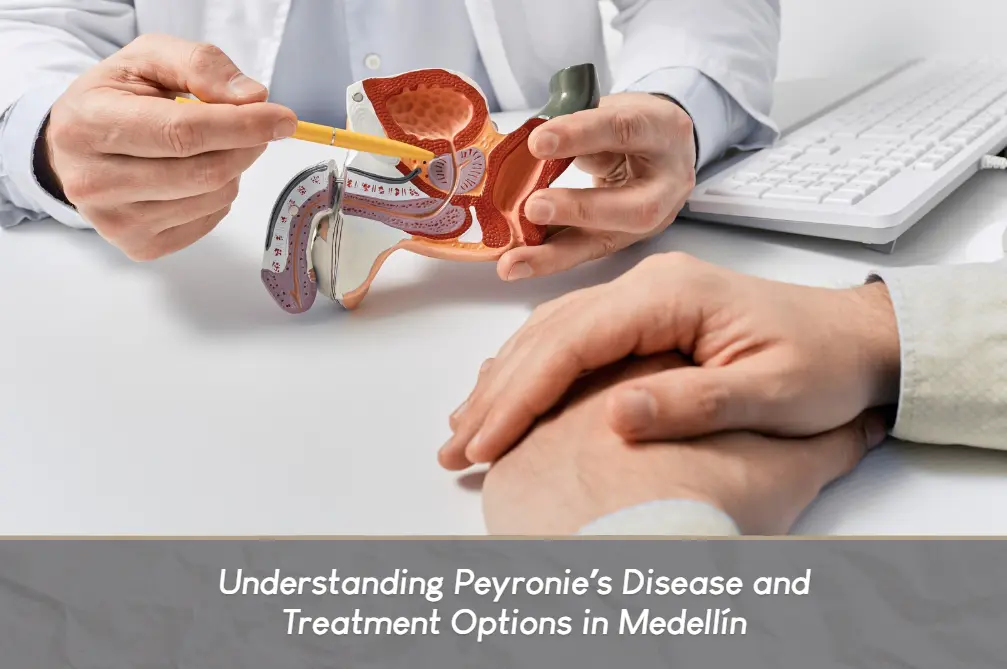
Peyronie’s disease is a condition in which penile scar tissue, known as penile plaque, develops inside the penis. This plaque can reduce the natural elasticity of the tissue and may cause penile curvature, indentation, shortening, pain, or difficulty achieving or maintaining erections. In some men, the condition appears gradually; in others, it may develop after trauma or repeated micro-injuries during sexual activity.
From a medical perspective, not every case of curvature requires surgery. However, when the curvature affects sexual function, causes pain, creates emotional distress, or makes intercourse difficult, it should be evaluated by a urologist. During consultation, I assess the severity of the curvature, the presence of plaque, erectile function, and the stage of the disease to determine whether conservative management, minimally invasive treatment, or surgery may be the most appropriate option.
Quick Medical Insight
| What may happen | Why it matters |
|---|---|
| Penile plaque develops inside the penis | It can limit tissue flexibility during erection |
| Penile curvature becomes noticeable | It may interfere with sexual activity |
| Pain or discomfort appears | It may indicate an active inflammatory phase |
| Erections become weaker or difficult | It may require a more complete sexual health evaluation |
If you are noticing changes in the shape, firmness, or function of your penis, a private urological evaluation can help you understand what is happening and what treatment options are available.
Symptoms of Peyronie’s Disease: Signs You Should Not Ignore
Peyronie’s disease can appear in different ways, but the most common warning sign is a change in the shape of the penis during erection. Some men notice a visible curve, while others experience pain, a hardened area, shortening, or difficulty with sexual performance. As a urologist, I recommend seeking medical evaluation when these symptoms affect your confidence, sexual function, or quality of life.
Penile Curvature During Erection
A curved penis during erection is one of the most frequent signs of Peyronie’s disease. The curvature may bend upward, downward, or to one side, depending on the location of the penile plaque. In some cases, the penis may also show narrowing, indentation, or an hourglass-like deformity.
Painful Erections
Pain is more common in the early or active phase of the condition, when inflammation and penile scar tissue are developing. This pain may appear during erections and can be accompanied by progressive changes in curvature or penile shape. Even if the pain improves over time, the curvature or deformity may remain and should be evaluated.
Erectile Dysfunction and Peyronie’s Disease
Some men with Peyronie’s disease also experience erectile dysfunction. This may happen because of changes in penile structure, reduced rigidity, discomfort, or anxiety related to sexual performance. When erectile function is affected, the evaluation must go beyond the curvature and include a complete assessment of male sexual health.
When to See a Urologist
You should schedule a private urological consultation if you notice any of the following symptoms:
| Symptom | Why it matters |
|---|---|
| Penile curvature during erection | It may indicate plaque formation and structural changes |
| Painful erections | It may suggest an active inflammatory phase |
| A lump or hardened area in the penis | It may correspond to palpable penile plaque |
| Difficulty with penetration | It may mean the curvature is affecting sexual function |
| Erectile dysfunction | It requires evaluation of both vascular and structural factors |
| Loss of penile length | It may occur as scar tissue limits tissue elasticity |
| Emotional or sexual distress | It can significantly affect confidence and quality of life |
Do not rely on self-diagnosis or wait until the condition becomes more difficult to treat. A timely consultation allows me to evaluate the severity of the curvature, determine whether the disease is active or stable, and recommend treatment options according to your case.
You might be interested in: Discover Expert Urology Services in Medellín
How I Evaluate Peyronie’s Disease in Medellín Before Recommending Treatment
Choosing the right treatment starts with an accurate diagnosis. As a urologist for Peyronie’s disease, my priority is to understand how the condition is affecting your anatomy, erections, sexual function, and quality of life. For international patients visiting Medellín, this evaluation can be focused and structured, so you receive a clear medical opinion and a realistic treatment plan during your stay.
During a urological consultation, I review your medical and sexual history, evaluate your symptoms, perform a physical examination, and assess the severity of the curvature. When clinically needed, imaging studies such as penile ultrasound may help identify plaque characteristics, evaluate tissue changes, and support treatment planning. This process allows me to provide a personalized Peyronie’s disease diagnosis and determine whether conservative management, minimally invasive treatment, or surgery may be appropriate.
What Happens During the Evaluation?
| Step | What I Evaluate | Why It Matters |
|---|---|---|
| Private consultation | Symptoms, concerns, medical background, and expectations | Helps define the real impact of the condition |
| Medical and sexual history | Curvature progression, pain, erectile function, and previous treatments | Helps determine whether the disease may be active or stable |
| Physical examination | Plaque, penile anatomy, and visible or palpable changes | Supports clinical diagnosis and treatment planning |
| Curvature assessment | Degree and direction of curvature | Helps decide whether observation, injections, or surgery may be considered |
| Erectile function evaluation | Rigidity, performance, and associated erectile dysfunction | Determines whether treatment should also address sexual function |
| Imaging, when needed | Penile ultrasound or additional studies | Helps evaluate plaque and anatomical factors |
| Personalized recommendation | Conservative, minimally invasive, or surgical options | Creates a treatment plan based on your case and travel timeline |
If you are looking for a Peyronie’s disease specialist in Colombia, a structured evaluation is essential. Not every patient needs the same treatment, and not every treatment is suitable for a short stay. My goal is to recommend Peyronie’s disease treatment in Medellín that is medically appropriate, clearly explained, and realistic for your diagnosis and travel plans.
Peyronie’s Disease Treatment Options Available in Medellín
Treatment for Peyronie’s disease depends on several factors: the stage of the disease, the degree of curvature, the presence of pain, erectile function, plaque characteristics, and the patient’s goals. Some men only need observation and medical guidance, while others may benefit from procedures designed to improve curvature, restore function, or treat associated erectile dysfunction.
For international patients, treatment planning must also consider how long the patient will be in Medellín. When medically appropriate, I can recommend options that are realistic for patients with limited time in the city. However, it is important to understand that some treatments may require staged care, follow-up, or more than one visit depending on the case.
Non-Surgical Management for Mild or Early Cases
Non-surgical management may be considered when symptoms are mild, the curvature does not significantly interfere with sexual function, or the disease is still in an early phase. This approach may include observation, medication when indicated, penile traction therapy, and counseling on sexual activity and risk reduction.
This option is not the same as ignoring the condition. A medical evaluation helps determine whether the curvature is stable, whether pain is improving, and whether erectile function is preserved. In selected patients, conservative management can be a safe first step before considering more invasive options.
Minimally Invasive Options for Selected Patients
Some patients may be candidates for injectable therapies or other minimally invasive treatments aimed at improving curvature or reducing the functional impact of the plaque. These options depend on the stability of the disease, the degree of curvature, erectile function, and the type of deformity.
It is important for international patients to know that certain injection protocols may require multiple sessions or staged treatment. For that reason, during consultation, I explain whether a minimally invasive approach is practical for your travel schedule or whether another option may be more appropriate.
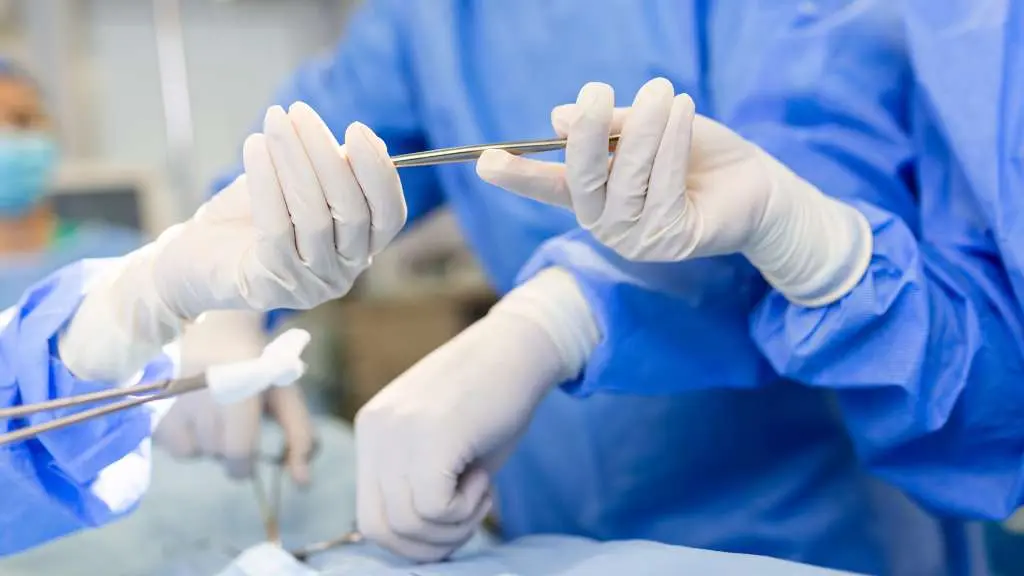
Surgical Options for More Advanced Peyronie’s Disease
Surgery may be considered when the curvature is stable, significant, and interferes with sexual function. The surgical approach depends on the anatomy of the curvature, penile length, erectile function, and patient expectations.
Common surgical options include penile plication for selected curvature cases, plaque incision or grafting for more complex deformities, and penile implant surgery when Peyronie’s disease is associated with severe erectile dysfunction that does not respond adequately to other treatments.
How I Choose the Right Treatment Option
| Patient situation | Possible treatment direction |
|---|---|
| Mild curvature without major sexual limitation | Observation, counseling, or conservative management |
| Early symptoms with pain or progression | Medical evaluation and non-surgical strategies when indicated |
| Stable curvature affecting sexual activity | Minimally invasive or surgical options may be considered |
| Complex deformity or significant shortening | Advanced surgical planning may be necessary |
| Peyronie’s disease with severe erectile dysfunction | Penile implant surgery may be considered in selected cases |
| International patient with limited time in Medellín | Treatment plan adapted to diagnosis, safety, and realistic timing |
The best treatment is not simply the fastest one. It is the one that matches your diagnosis, your goals, and your medical condition. During consultation, I explain the benefits, limitations, recovery expectations, and follow-up needs of each option so you can make an informed decision.
Choose Dr. Carlos Velásquez for Peyronie’s Disease Treatment in Medellín
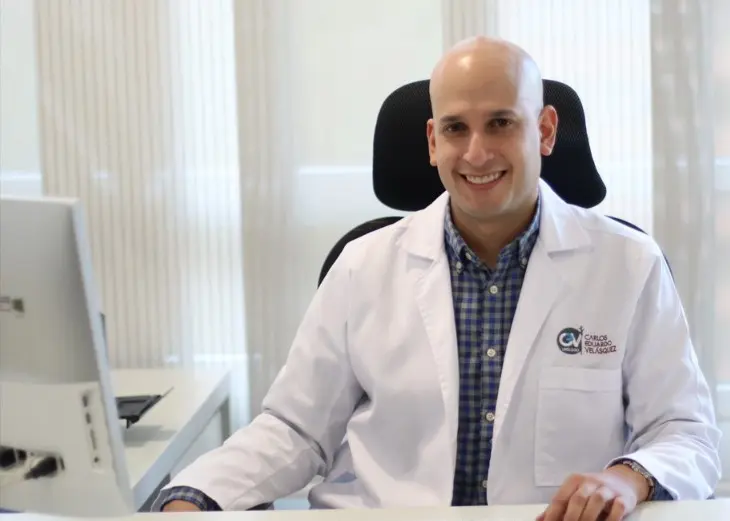
If you are dealing with Peyronie’s disease, you may feel uncertain, embarrassed, or unsure about which treatment is right for you. As a urologist in Medellín, I evaluate and treat male sexual health conditions with discretion, professionalism, and a personalized approach. My goal is to help you understand your diagnosis clearly, review your treatment alternatives, and know what to expect before making any decision.
Local and international patients can schedule a private consultation in Medellín to receive focused medical guidance, especially when travel time is limited. During your visit, I will explain your diagnosis, possible treatment options, recovery expectations, and next steps based on your specific case.
Frequently Asked Questions About Peyronie’s Disease Treatment
1. What is Peyronie’s disease?
Peyronie’s disease is a condition in which scar tissue, known as plaque, forms inside the penis. This plaque can reduce tissue flexibility and cause penile curvature, indentation, shortening, pain, or difficulty with erections. Some men notice symptoms gradually, while others develop them after trauma or repeated micro-injuries during sexual activity.
2. What are the most common symptoms of Peyronie’s disease?
The most common symptoms include penile curvature during erection, a palpable lump or hardened area, penile pain, loss of length, indentation, difficulty with penetration, and erectile dysfunction. Some men also experience anxiety, embarrassment, or reduced sexual confidence. When these symptoms affect sexual function or quality of life, a urological evaluation is recommended.
3. Can Peyronie’s disease go away on its own?
In some mild cases, pain may improve over time, especially after the early inflammatory phase. However, the curvature, plaque, or deformity may persist. For this reason, it is important not to assume the condition will resolve without evaluation. A urologist can determine whether observation is reasonable or whether treatment should be considered.
4. When should I see a urologist for Peyronie’s disease?
You should see a urologist if you notice penile curvature, pain during erections, a hardened area in the penis, difficulty with penetration, erectile dysfunction, or emotional distress related to changes in penile shape or sexual performance. Early evaluation helps define the stage of the disease, the severity of the curvature, and the most appropriate treatment options.
5. How is Peyronie’s disease diagnosed?
A Peyronie’s disease diagnosis usually begins with a private medical consultation, a review of symptoms, sexual history, and physical examination. The urologist evaluates the location of plaque, the degree of curvature, erectile function, pain, and how the condition affects sexual activity. In some cases, penile ultrasound or additional imaging may be recommended to assess plaque and tissue characteristics.
6. Can Peyronie’s disease be treated without surgery?
Yes, some patients may be treated without surgery, depending on the severity and stage of the condition. Non-surgical management may include observation, medication when indicated, penile traction therapy, counseling, or injectable therapies in selected cases. However, not every patient is a candidate for non-surgical treatment, and the best option depends on curvature severity, erectile function, plaque characteristics, and patient goals.
7. When is surgery recommended for Peyronie’s disease?
Surgery may be considered when the curvature is stable, significant, and interferes with sexual function. Surgical options may include penile plication, plaque incision or grafting, or penile implant surgery when Peyronie’s disease is associated with severe erectile dysfunction. The decision depends on penile anatomy, erectile function, degree of curvature, expectations, and overall health.
8. Is Peyronie’s disease treatment possible for international patients in Medellín?
Yes. International patients can schedule a private consultation for Peyronie’s disease treatment in Medellín with Dr. Carlos Velásquez. The evaluation can be focused and structured to provide a clear diagnosis, treatment alternatives, recovery expectations, and next steps during the patient’s stay. The recommended treatment will depend on what is medically appropriate and realistic for the patient’s travel schedule.
9. How long should I stay in Medellín for Peyronie’s disease treatment?
The length of stay depends on the treatment plan. Some patients may only need a consultation, diagnosis, and medical guidance, while others may require procedures, surgery, recovery time, or follow-up. During the private consultation, Dr. Carlos Velásquez can explain what type of treatment fits your case and whether it can be coordinated within a limited stay in Medellín.
10. Why choose Dr. Carlos Velásquez for Peyronie’s disease treatment?
Dr. Carlos Velásquez is a urologist in Medellín who evaluates and treats male sexual health conditions, including Peyronie’s disease, penile curvature, plaque-related deformities, and erectile difficulties. His approach is based on discretion, clear medical communication, individualized treatment planning, and support for both local and international patients seeking specialized urological care in Medellín.
References
Aviso médico: Este artículo tiene fines informativos y educativos. No reemplaza la consulta con un profesional de salud certificado. Si presentas ardor al orinar, sangre en la orina o alguna de estas señales, consulta con un urólogo para recibir una valoración personalizada. El diagnóstico y tratamiento pueden variar según cada paciente.
Agenda tu consulta médica con el Dr. Cárlos Velásquez - Urólogo en Medellín