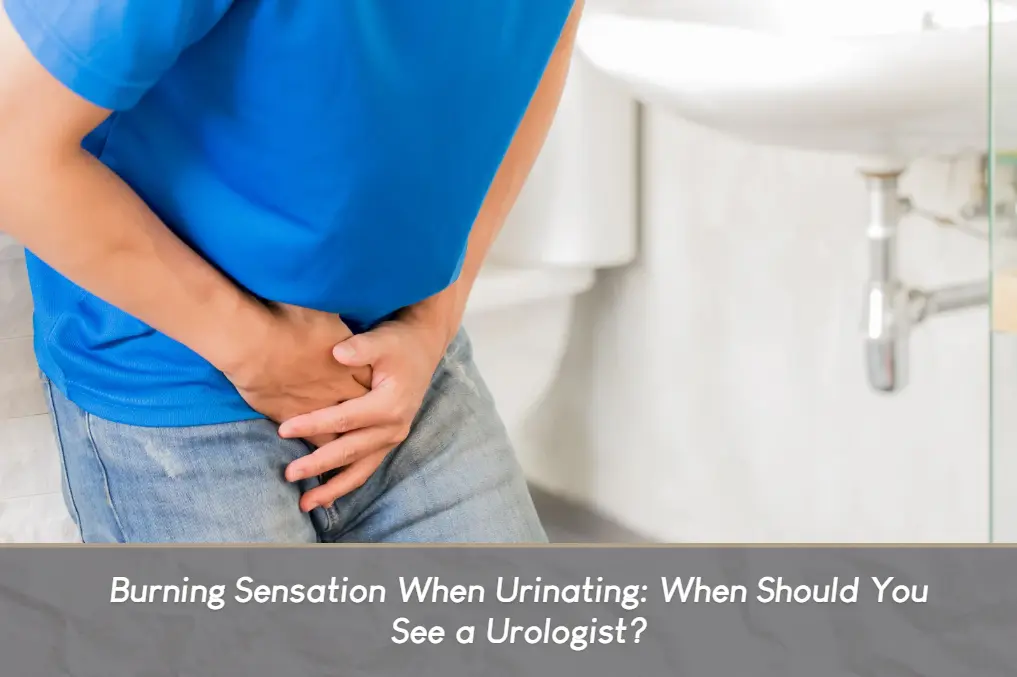


If you’re in Medellín and searching for an English-speaking urologist, look no further. I, Dr. Carlos Velásquez, am dedicated to providing exceptional urological care to both local and international patients. With years of experience and a patient-centered approach, I ensure that you feel comfortable, informed, and supported throughout your journey to better health.
Whether you’re dealing with a specific urological condition, seeking a second opinion, or simply looking for preventive care, my doctor’s office offers a wide range of advanced diagnostic and treatment services tailored to your unique needs. Conveniently located in the heart of Medellín at the Medical Tower Oviedo, my practice is designed to provide expert care in a welcoming environment.
- Call or WhatsApp: +57 300 693 8413
- Book Online: Book your appointment here.
I invite you to continue reading this blog to learn more about the comprehensive urological services I provide. Your health is my priority, and I look forward to helping you achieve peace of mind and improved well-being.
What is General Urology and Why is It Essential?
General urology is a crucial branch of medicine that addresses conditions affecting the urinary tract and male reproductive system. From diagnosing kidney stones to managing prostate health, it ensures the smooth functioning of organs vital for excretion, reproduction, and overall health. Whether dealing with minor infections or chronic diseases, the expertise of a qualified urologist can make a significant difference in improving quality of life.
At the core of general urology is a proactive approach to health—early detection and tailored treatment plans designed to prevent complications and ensure a swift recovery. Dr. Carlos Velásquez, with years of experience and advanced technology at his practice in Medellín, offers comprehensive care to address a variety of urological issues.
Finding Urology Near Me in Medellín
If you’re searching for “urology near me” while visiting Medellín, you’ll find world-class care at the practice of Dr. Carlos Velásquez. Known for his expertise and patient-centered approach, Dr. Velásquez offers a seamless healthcare experience tailored to meet the needs of international patients.
Your Guide to Locating Top Urological Care as a Foreigner
Navigating a healthcare system in a foreign country can be challenging, but finding exceptional urological care in Medellín is straightforward with Dr. Velásquez. His practice is designed to provide comprehensive support for international patients, including English-speaking assistance, clear communication about procedures, and a welcoming atmosphere.
Whether you’re dealing with an urgent urological issue or planning a consultation for ongoing care, you’ll find that Dr. Velásquez’s practice prioritizes your comfort and convenience at every step.
Convenient Location: Medical Tower Oviedo in the Heart of the City
Dr. Velásquez’s clinic is situated in the state-of-the-art Medical Tower Oviedo, conveniently located in one of Medellín’s most accessible and secure areas.
- Proximity to Key Landmarks: The clinic is easily reachable from hotels, business districts, and major tourist attractions, making it an ideal choice for travelers.
- Modern Facilities: The clinic is equipped with advanced diagnostic and treatment technology to ensure precise and effective care.
- Easy Access: With nearby parking, public transportation options, and a prime location, patients find it easy to attend appointments without stress.
Personalized Care for International Patients
Dr. Velásquez understands that international patients may have unique concerns, such as language barriers or unfamiliarity with local medical practices. His team ensures that every patient feels supported by providing:
- English-Speaking Assistance: Clear communication at every step of the process, from initial inquiries to post-treatment follow-up.
- Streamlined Scheduling: Flexible appointment times to accommodate travel plans or tight schedules.
- Patient-Centered Approach: Individualized care plans tailored to your medical history and personal preferences.
Virtual and In-Person Consultations Available
For patients who may not immediately be able to visit the clinic in person, Dr. Velásquez offers virtual consultations. This service is particularly beneficial for:
- Initial Assessments: Discuss your symptoms and medical history before traveling to Medellín.
- Post-Treatment Follow-Ups: Stay connected with your urologist for continued care after returning home.
- Convenience and Accessibility: Access expert advice from the comfort of your location, saving time and resources.
When you’re ready for in-person care, the clinic ensures a warm welcome and efficient service to maximize the effectiveness of your visit.

Meet Dr. Carlos Velásquez: Your Urology Specialist
When it comes to finding expert urological care, Dr. Carlos Velásquez stands out as a trusted and accomplished specialist in Medellín. With years of experience, advanced training, and a patient-focused approach, Dr. Velásquez is dedicated to delivering exceptional care for a wide range of urological conditions.
Years of Expertise, State-of-the-Art Technology
Dr. Velásquez has built his practice on a foundation of extensive medical training and years of experience treating both common and complex urological conditions.
- Advanced Education and Training: He is a board-certified urologist with specialized expertise in minimally invasive procedures and modern treatment techniques.
- Commitment to Innovation: Dr. Velásquez stays at the forefront of medical advancements, utilizing cutting-edge technology for diagnostics and treatments.
- Comprehensive Care: From initial consultation to follow-up, his practice provides personalized treatment plans tailored to each patient’s unique needs.
At his state-of-the-art clinic in the Medical Tower Oviedo, patients benefit from modern equipment designed to ensure accurate diagnoses and effective treatment outcomes.
Comprehensive Urological Treatments by Dr. Carlos Velásquez
As a dedicated urologist with years of experience, I offer a wide range of treatments to address various urological conditions with precision and care. My practice focuses on providing personalized, effective, and minimally invasive solutions to ensure the best outcomes for my patients. Whether you’re seeking relief from a specific issue or exploring preventive care, my clinic is equipped with advanced technology to meet your needs.
Treatments I Specialize In:
Kidney Stone Management
Minimally invasive surgeries, I provide tailored solutions to remove stones and prevent recurrence.
Prostate Health
Advanced treatments for benign prostatic hyperplasia (BPH), prostate cancer, and other prostate-related conditions.
Urinary Tract Infections (UTIs)
Comprehensive care to treat and prevent recurrent infections, ensuring your urinary system stays healthy.
Male Sexual Health
Expertise in treating erectile dysfunction, Peyronie’s disease, and fertility issues with modern therapies.
Bladder and Kidney Disorders
Including bladder cancer, incontinence, and hydronephrosis.
Surgical Interventions
Minimally invasive and robotic-assisted procedures for complex urological conditions.
Each treatment plan is carefully designed to address your unique needs and preferences, ensuring comfort and confidence every step of the way.

Understanding Common Urological Conditions
The field of urology covers a broad spectrum of conditions, some of which are more common than others. Below are three prevalent issues that patients frequently seek help for and how they can be managed effectively.
Introduction to Urinary Tract Diseases
The urinary tract is a complex system responsible for filtering waste and excess fluid from the bloodstream and excreting it as urine. It includes the kidneys, ureters, bladder, and urethra, all working in harmony to maintain the body’s balance of water and electrolytes. When any part of this system is affected by disease or dysfunction, it can disrupt daily life and lead to serious complications if left untreated.
Urinary tract diseases encompass a wide range of conditions, from infections to structural abnormalities, and can affect individuals of all ages and genders. Some of the most common urinary tract issues include urinary tract infections (UTIs), kidney stones, bladder dysfunctions, and conditions like hydronephrosis or cystitis.
Why Timely Diagnosis is Crucial
The symptoms of urinary tract diseases can vary widely, from mild discomfort to severe pain and systemic complications. Common indicators include pain during urination, blood in the urine, changes in urinary frequency, or unexplained lower abdominal or back pain. Seeking prompt medical attention ensures early detection, accurate diagnosis, and effective treatment, minimizing the risk of complications such as kidney damage or recurrent infections.
Benign Prostatic Hyperplasia (BPH) Treatment in Medellín: Understanding the Impact
Benign Prostatic Hyperplasia (BPH) is a condition characterized by the noncancerous enlargement of the prostate gland, which surrounds the urethra. As the prostate grows, it can put pressure on the urethra, leading to a range of urinary symptoms that can significantly affect quality of life. BPH is a common condition, particularly in men over the age of 50, and while it is not life-threatening, its symptoms can disrupt daily activities and impact overall well-being.
Managing BPH effectively requires understanding its causes, recognizing symptoms early, and seeking appropriate medical care to prevent complications such as urinary retention or bladder damage. With tailored treatments and lifestyle modifications, patients can regain control over their urinary health and enjoy an improved quality of life.
Symptoms of BPH:
- Frequent need to urinate, particularly at night (nocturia).
- Difficulty starting urination or a weak urine stream.
- Feeling that the bladder has not completely emptied after urinating.
- Dribbling at the end of urination or urinary retention in severe cases.
Diagnosis:
Dr. Velásquez utilizes advanced diagnostic tools to assess BPH, including:
- Digital Rectal Exam (DRE): A simple, hands-on assessment of the prostate’s size and shape.
- Prostate-Specific Antigen (PSA) Test: To rule out prostate cancer as a cause of symptoms.
- Ultrasound or Uroflowmetry: To visualize the prostate and measure the urine flow rate.
Treatment Options:
- Lifestyle Modifications: Dietary changes, reducing caffeine or alcohol intake, and maintaining a healthy weight.
- Medications: Alpha-blockers to relax prostate muscles or 5-alpha-reductase inhibitors to shrink the prostate.
- Minimally Invasive Procedures: Techniques like transurethral resection of the prostate (TURP) or laser therapies for severe cases.
With a tailored treatment plan, BPH symptoms can be effectively managed, improving the patient’s quality of life.

Urinary Tract Infections (UTIs) in Medellín
A urinary tract infection (UTI) occurs when bacteria, most commonly Escherichia coli, enter and multiply in the urinary tract. UTIs can affect the bladder (cystitis), urethra (urethritis), or kidneys (pyelonephritis). While they are more common in women due to anatomical differences, men and children can also develop UTIs.
Symptoms of a UTI:
- Burning or pain during urination.
- Frequent urge to urinate, often with little output.
- Cloudy, dark, or foul-smelling urine.
- Pain in the lower abdomen or back (in kidney infections).
- Fever, chills, or nausea in severe cases.
Diagnosis:
Dr. Velásquez uses tests such as:
- Urinalysis: To detect bacteria, blood, or pus in the urine.
- Urine Culture: To identify the specific bacteria causing the infection.
- Imaging or Cystoscopy: For recurrent UTIs to check for structural problems.
Treatment Options:
- Antibiotics: Tailored to the specific bacteria.
- Pain Relievers: To manage symptoms like burning or abdominal discomfort.
- Preventive Measures: Drinking plenty of water, urinating after sexual activity, and proper hygiene.
Prompt treatment can prevent complications like kidney infections or chronic UTIs.
Urinary Incontinence in Medellín
Urinary incontinence is the involuntary leakage of urine. It can range from occasional dribbling when sneezing or coughing (stress incontinence) to sudden, strong urges to urinate that result in leakage (urge incontinence).
Types of Urinary Incontinence:
- 1. Stress Incontinence: Caused by pressure on the bladder, often due to weakened pelvic floor muscles.
- 2. Urge Incontinence: A sudden, intense need to urinate, often linked to overactive bladder syndrome.
- 3. Overflow Incontinence: Occurs when the bladder doesn’t empty completely, leading to dribbling.
- 4. Mixed Incontinence: A combination of stress and urge incontinence.
Diagnosis:
Dr. Velásquez performs a detailed evaluation, including:
- Bladder Diary: To track urinary habits and leakage episodes.
- Physical Examination: Assessing pelvic muscle strength or prostate size.
- Urodynamic Testing: Measuring bladder function and urine flow.
Treatment Options:
- Behavioral Therapies: Bladder training and pelvic floor exercises to strengthen muscles.
- Medications: To relax the bladder or improve sphincter control.
- Surgical Solutions: Sling procedures, artificial sphincters, or injections for severe cases.
Bladder Cancer in Medellín
Bladder cancer develops when abnormal cells in the bladder lining grow uncontrollably. It is one of the most common urological cancers, often detected early due to its noticeable symptoms. While treatable in its early stages, advanced bladder cancer can spread to other parts of the body.
Symptoms of Bladder Cancer:
- Blood in the urine (hematuria), often without pain.
- Frequent or painful urination.
- Persistent pelvic pain or discomfort.
- Unexplained weight loss or fatigue in advanced stages.
Diagnosis:
Dr. Velásquez employs advanced diagnostic techniques, including:
- Cystoscopy: A minimally invasive procedure to visually examine the bladder and collect tissue samples (biopsy).
- Urine Cytology: Analysis of urine to detect cancerous cells.
- Imaging Tests: CT urograms or MRIs to evaluate tumor size and spread.
Treatment Options:
- Surgery: Removal of tumors via transurethral resection (TURBT) or partial/total bladder removal in advanced cases.
- Intravesical Therapy: Medications delivered directly to the bladder, including immunotherapy or chemotherapy.
- Systemic Treatments: Chemotherapy or immunotherapy for cancer that has spread beyond the bladder.
Early detection and personalized care greatly improve outcomes for patients with bladder cancer.


Prostate Cancer in Medellín
Prostate cancer occurs in the prostate gland, which produces seminal fluid in men. It is a common cancer, especially in older men, and its progression can range from very slow to aggressive.
Symptoms of Prostate Cancer:
- Difficulty urinating or a weak stream.
- Blood in urine or semen.
- Painful ejaculation or pelvic discomfort.
- Bone pain in advanced cases.
Diagnosis:
Dr. Velásquez uses a combination of:
- Prostate-Specific Antigen (PSA) Test: A blood test to screen for elevated levels of PSA.
- Digital Rectal Exam (DRE): To assess the size and texture of the prostate.
- Biopsy and Imaging: MRI-guided biopsies and scans to confirm the presence and extent of cancer.
Treatment Options:
- Active Surveillance: Monitoring low-risk cases to avoid unnecessary treatments.
- Surgery: Robotic-assisted prostatectomy for precise removal of cancer.
- Radiation Therapy: External beam or brachytherapy to target cancer cells.
- Hormone Therapy: To block the hormones that fuel cancer growth.
Dr. Velásquez tailors treatment to the cancer stage and patient’s health, ensuring optimal outcomes with minimal side effects.
Kidney Stones in Medellín
Kidney stones are hard mineral deposits that form in the kidneys when urine contains high levels of substances like calcium, oxalate, or uric acid. They vary in size and can cause severe pain when moving through the urinary tract.
Symptoms of Kidney Stones:
- Intense pain in the back, side, or lower abdomen.
- Blood in the urine (pink, red, or brown coloration).
- Nausea, vomiting, or fever in cases of infection.
- Difficulty passing urine or a frequent urge to urinate.
Diagnosis:
Dr. Velásquez uses:
- Imaging: Ultrasounds, CT scans, or X-rays to locate and measure stones.
- Urine Tests: To identify substances promoting stone formation.
- Blood Tests: To detect underlying metabolic issues.
Treatment Options:
- Hydration and Pain Management: Small stones may pass naturally with increased water intake and medication.
- Ureteroscopy: A scope removes stones from the ureter or kidney.
- Percutaneous Nephrolithotomy (PCNL): For larger stones, a small incision allows direct removal.
Preventive measures, including dietary adjustments and regular follow-ups, help reduce recurrence.
Hydronephrosis in Medellín
Hydronephrosis is a condition where one or both kidneys swell due to a buildup of urine. This happens when urine flow is obstructed at any point along the urinary tract, leading to pressure and potential damage to the kidneys. While it can occur in people of all ages, it is often a complication of other underlying conditions.
Symptoms of Hydronephrosis:
- Pain in the side (flank) or back, often radiating to the lower abdomen.
- Frequent or painful urination.
- Blood in the urine (hematuria).
- Nausea, vomiting, or fever in cases of infection.
- Reduced urine output in severe cases.
Diagnosis:
Dr. Velásquez uses advanced diagnostic tools to determine the cause and extent of hydronephrosis, including:
- Ultrasound Imaging: To visualize kidney swelling and urine retention.
- CT Scans: For detailed imaging of the urinary tract and surrounding structures.
- Urinalysis: To detect infection or blood in the urine.
Treatment Options:
- Addressing the Underlying Cause: Removing kidney stones, treating infections, or managing structural abnormalities.
- Drainage Procedures: Using a catheter or nephrostomy tube to relieve pressure and allow urine to flow.
- Surgery: Corrective procedures for severe obstructions or congenital abnormalities.
Hydronephrosis requires prompt treatment to prevent kidney damage and ensure long-term urinary health.
Cystitis in Medellín
Cystitis refers to inflammation of the bladder, commonly caused by a bacterial infection. It can also result from irritation due to certain medications, hygiene products, or underlying medical conditions. Women are more prone to cystitis due to their shorter urethra, but it can affect anyone.
Symptoms of Cystitis:
- Frequent, urgent need to urinate, often with little output.
- Pain or burning sensation during urination.
- Cloudy, strong-smelling urine.
- Blood in the urine (hematuria).
- Pelvic discomfort or lower abdominal pain.
Diagnosis:
Dr. Velásquez conducts thorough evaluations to diagnose cystitis, including:
- Urinalysis: To detect bacteria, white blood cells, or blood.
- Urine Culture: Identifying the specific bacteria causing the infection.
- Cystoscopy: For recurrent or chronic cases, to inspect the bladder lining for abnormalities.
Treatment Options:
- Antibiotics: Tailored to treat bacterial infections effectively.
- Pain Relievers: To ease burning or discomfort during urination.
- Lifestyle Adjustments: Drinking plenty of fluids and avoiding bladder irritants like caffeine or alcohol.
Hydronephrosis requires prompt treatment to prevent kidney damage and ensure long-term urinary health.

Introduction to Reproductive System Disorders
The reproductive system plays a crucial role in overall health, but it is also susceptible to various conditions that can impact physical and emotional well-being. Disorders affecting the reproductive system, particularly in men, often involve the genital organs or related structures. Timely diagnosis and expert care are essential for managing these conditions effectively and restoring quality of life.
Below, we explore three key issues commonly addressed by Dr. Carlos Velásquez: erectile dysfunction, Peyronie’s disease, and sexually transmitted infections (STIs).
Erectile Dysfunction (ED) in Medellín
Erectile dysfunction (ED) is the persistent inability to achieve or maintain an erection sufficient for satisfactory sexual performance. While it is more common with age, ED can affect men of all ages and may indicate underlying health problems.
Symptoms of ED:
- Difficulty achieving an erection.
- Trouble maintaining an erection during sexual activity.
- Reduced interest in sexual activity or performance anxiety.
Diagnosis:
Dr. Velásquez employs a comprehensive approach to identify the cause of ED, including:
- Medical and Sexual History: Assessing underlying health issues and psychological factors.
- Blood Tests: Evaluating hormone levels or conditions like diabetes.
- Imaging or Ultrasounds: Examining blood flow to the penis.
Treatment Options:
- Lifestyle Changes: Diet, exercise, and quitting smoking.
- Medications: Phosphodiesterase inhibitors like sildenafil (Viagra) or tadalafil (Cialis).
- Advanced Therapies: Shock wave therapy, penile injections, or implants for severe cases.
With personalized treatment plans, most men with ED can regain confidence and improve their sexual health.
Peyronie’s Disease in Medellín
Peyronie’s disease involves the development of fibrous scar tissue (plaques) inside the penis, leading to abnormal curvature during an erection. This condition can cause pain, difficulty with sexual intercourse, and emotional distress.
Symptoms of Peyronie’s Disease:
- Noticeable bend or curve in the penis during erection.
- Hard lumps or plaques under the penile skin.
- Painful erections or shortening of the penis.
- Difficulty achieving or maintaining an erection.
Diagnosis:
Dr. Velásquez may perform the following to confirm Peyronie’s disease:
- Physical Exam: Identifying plaques or curvature.
- Imaging Tests: Ultrasounds to assess scar tissue and blood flow.
Treatment Options:
- Medications: Collagenase injections to break down scar tissue.
- Physical Therapy: Stretching devices or exercises to reduce curvature.
- Surgery: Corrective procedures for severe curvature interfering with sexual function.
Early intervention can prevent the progression of Peyronie’s disease and improve outcomes.
Sexually Transmitted Infections (STIs) in Medellín
Sexually transmitted infections (STIs), also known as sexually transmitted diseases (STDs), are infections spread through sexual contact. They can affect the reproductive organs, urinary tract, and other areas of the body, often without noticeable symptoms.
Common STIs Include:
- Chlamydia
- Gonorrhea
- Human Papillomavirus (HPV)
- Herpes Simplex Virus (HSV)
- Syphilis
- Human Immunodeficiency Virus (HIV)
Symptoms of STIs:
- Unusual discharge from the penis.
- Painful urination or genital sores.
- Swollen lymph nodes or rash.
- Fever, fatigue, or other systemic symptoms in advanced cases.
Diagnosis:
Dr. Velásquez uses a range of tests to identify STIs, including:
- Blood Tests: For infections like HIV, syphilis, or herpes.
- Urine Tests: To detect bacterial STIs like gonorrhea or chlamydia.
- Physical Exam: Inspecting for sores, warts, or discharge.
Treatment Options:
- Antibiotics: For bacterial infections such as chlamydia or gonorrhea.
- Antiviral Medications: To manage herpes or HIV.
- Preventive Measures: Vaccines for HPV or hepatitis B and counseling on safe sexual practices.
Prompt diagnosis and treatment can prevent complications such as infertility, chronic pain, or the spread of infections to partners.
Hydrocele in Medellín
A hydrocele is a condition in which fluid accumulates around the testicle within the scrotum, causing swelling. It is usually painless and noncancerous but may cause discomfort or embarrassment due to its appearance. Hydroceles are most common in newborns but can also occur in older males due to injury, infection, or inflammation.
Symptoms of a Hydrocele:
- Swelling in the scrotum, typically on one side.
- A feeling of heaviness or discomfort in the scrotum.
- In larger hydroceles, the swollen area may feel soft and fluid-filled.
Diagnosis:
Dr. Velásquez diagnoses hydroceles using:
- Physical Examination: Observing the scrotum for swelling or tenderness.
- Transillumination: Shining a light through the scrotum to identify fluid-filled areas.
- Ultrasound: To rule out other conditions, such as testicular tumors or hernias.
Treatment Options:
- Observation: Small, asymptomatic hydroceles may not require immediate treatment.
- Surgical Repair (Hydrocelectomy): Removes the fluid and repairs the sac, often recommended for persistent or symptomatic cases.
- Aspiration: In some cases, fluid may be drained using a needle, although recurrence is possible.
Hydroceles are typically benign but should be evaluated to ensure no underlying issues are present.

Varicocele in Medellín
A varicocele is an enlargement of the veins within the scrotum’s spermatic cord, similar to varicose veins in the legs. It can lead to discomfort, testicular atrophy, or reduced fertility by impairing sperm production and quality.
Symptoms of a Varicocele:
- Aching pain or heaviness in the scrotum, often worsening with prolonged standing or physical activity.
- Visible or palpable enlarged veins in the scrotum, resembling a "bag of worms."
- Decreased testicular size or asymmetry.
Diagnosis:
Dr. Velásquez performs:
- Physical Examination: Identifying enlarged veins during a standing exam.
- Ultrasound: To confirm the diagnosis and assess the severity.
- Semen Analysis: For patients with fertility concerns to evaluate sperm quality.
Treatment Options:
- Conservative Management: Wearing supportive underwear and avoiding activities that exacerbate symptoms.
- Varicocelectomy: A minimally invasive surgical procedure to tie off the affected veins, improving blood flow.
- Embolization: A nonsurgical procedure in which a catheter is used to block abnormal veins.
Addressing varicoceles can alleviate discomfort and enhance fertility outcomes for affected patients.
Penile Cancer in Medellín
Penile cancer is a rare type of cancer that develops in the tissues of the penis, often originating in the skin or the mucous membranes. Early detection is critical, as the disease is highly treatable in its initial stages but can spread to other areas if left untreated.
Symptoms of Penile Cancer:
- Growths, sores, or lumps on the penis that do not heal.
- Foul-smelling discharge under the foreskin.
- Changes in the color or texture of penile skin.
- Pain or bleeding in advanced stages.
Diagnosis:
Dr. Velásquez uses:
- Physical Examination: Checking for suspicious lesions or changes in the penis.
- Biopsy: Removing a small tissue sample for laboratory analysis.
- Imaging Tests: CT or MRI scans to determine if the cancer has spread.
Treatment Options:
- Surgical Removal: Excision of the affected tissue, which may range from partial to total penectomy in advanced cases.
- Topical Therapies: For very early-stage cancers.
- Radiation or Chemotherapy: To target cancer cells in advanced or metastatic cases.
Prevention through HPV vaccination, good hygiene, and regular check-ups is essential in reducing the risk of penile cancer.
Take the First Step Toward Better Urological Health in Medellín
Your health and well-being deserve expert attention, and Dr. Carlos Velásquez is here to provide the personalized care you need. Whether you’re experiencing symptoms of a urological condition or seeking preventive care, Dr. Velásquez combines advanced medical expertise with compassionate patient support to help you achieve optimal outcomes.
Located in the state-of-the-art Medical Tower Oviedo in Medellín, Dr. Velásquez’s clinic offers a welcoming environment equipped with the latest technology for accurate diagnosis and effective treatment. With a patient-first approach and flexible options for in-person or virtual consultations, care has never been more accessible.
Why Choose Dr. Velásquez?
- Decades of experience in urological health.
- Customized treatment plans tailored to your needs.
- A proven track record of successful outcomes for both local and international patients.
Don’t let urological concerns disrupt your life. Schedule your appointment today and take the first step toward restoring your health and peace of mind.
- Call or WhatsApp: +57 300 693 8413
- Location: Medical Tower Oviedo, Office 689, Medellín, Colombia
- Book Online: book your appointment here
Your journey to better urological health starts here. Dr. Velásquez and his dedicated team look forward to welcoming you and providing the expert care you deserve.

Take the First Step Toward Better Urological Health in Medellín
When should I see a urologist in Medellín?
You should see a urologist if you experience symptoms such as:
- Pain or burning during urination.
- Blood in your urine.
- Difficulty urinating or weak urine flow.
- Frequent urination, especially at night.
- Pain in the lower back, pelvis, or sides.
- Erectile dysfunction or fertility concerns.
Early diagnosis can prevent complications, so don’t hesitate to schedule a consultation.
What conditions does Dr. Velásquez treat?
Dr. Velásquez specializes in treating:
- Kidney stones.
- Benign prostatic hyperplasia (BPH).
- Prostate, bladder, and penile cancer.
- Urinary tract infections (UTIs).
- Erectile dysfunction and Peyronie’s disease.
- Urinary incontinence and other bladder disorders.
- Male fertility issues and more.
Are virtual consultations available?
Yes, virtual consultations are available for patients who are unable to visit in person. These sessions allow you to discuss symptoms, receive preliminary assessments, and plan further treatment conveniently from your location.
What tests should I expect during a urological consultation?
Depending on your symptoms, common diagnostic tests include:
- Urinalysis to check for infections or blood in the urine.
- Ultrasound or CT scans for kidney stones or structural abnormalities.
- PSA blood tests for prostate health.
- Physical exams, such as digital rectal exams (DRE) for prostate assessment.
Are the treatments minimally invasive?
Yes, Dr. Velásquez prioritizes minimally invasive techniques whenever possible. These include treatments like extracorporeal shock wave lithotripsy (ESWL) for kidney stones and robotic-assisted surgeries, ensuring shorter recovery times and less discomfort.
How do I prepare for my appointment?
To make the most of your visit:
- Bring your medical records and a list of medications.
- Note any symptoms, their duration, and possible triggers.
- Prepare questions about your condition or treatment options.
Hydrate well if imaging tests, like ultrasounds, are planned.
Is it normal for men to experience urinary issues as they age?
Yes, age-related changes like benign prostatic hyperplasia (BPH) are common in men over 50. However, urinary issues should not be ignored, as they can also indicate more serious conditions like prostate cancer or bladder dysfunction.
Can urological problems affect fertility?
Yes, conditions like varicoceles, hormonal imbalances, or infections can impact male fertility. Dr. Velásquez offers specialized evaluations and treatments to address these concerns.
How long does recovery take after urological surgery?
Recovery times vary based on the procedure, but minimally invasive surgeries generally allow patients to return to normal activities within a few days to weeks. Dr. Velásquez will provide a detailed recovery plan tailored to your procedure.
How do I schedule an appointment with Dr. Velásquez?
You can easily schedule an appointment by:
- Calling or WhatsApp: +57 300 693 8413
- Booking online at carlosvelasquezurologo.com
- Visiting the clinic at Medical Tower Oviedo, Office 689, Medellín, Colombia.