Bienvenidos a mi blog Hidronefrosis: aprende de esta condición con un urólogo especialista en Medellín
Welcome to my blog
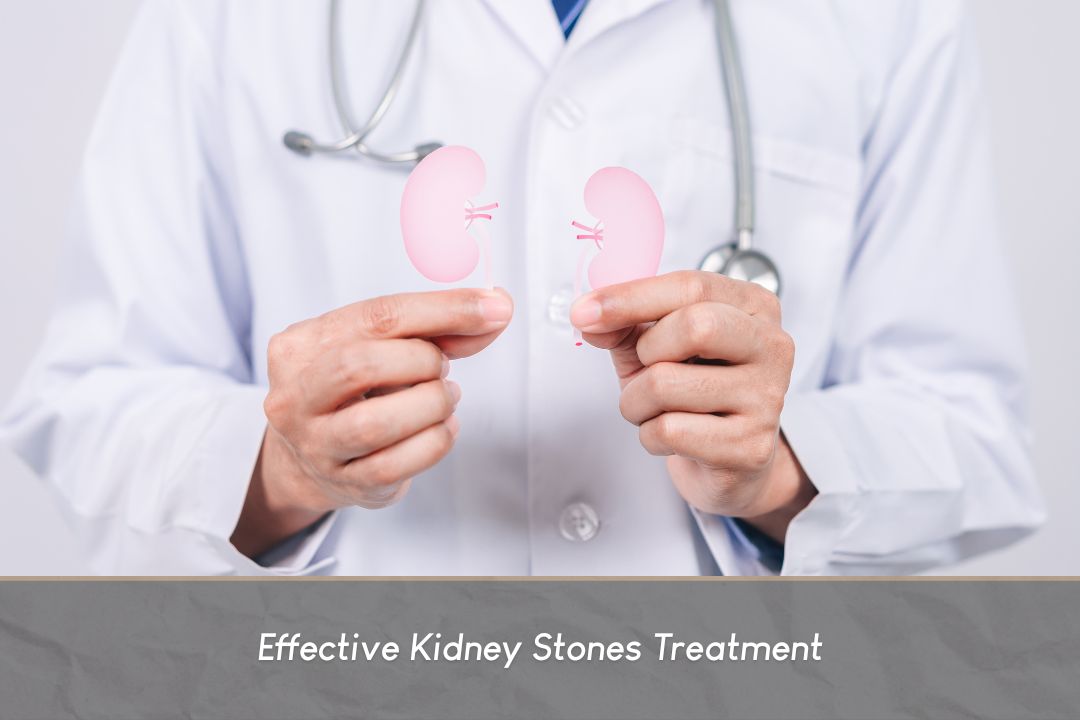
A sudden sharp pain in your lower back or abdomen. A burning sensation when you urinate. Traces of blood in the toilet. If any of this sounds familiar, you could be dealing with kidney stones—one of the most common and disruptive urological emergencies, affecting both men and women, and sometimes showing up without any warning signs at all.
At his practice, Dr. Carlos Velásquez sees this every day: patients searching for fast relief, reliable answers, and a kidney stones treatment plan that actually works—without confusion or unnecessary delays.
Whether you’re researching kidney stones treatment for women, for men, or even for kids, looking into kidney stones treatment laser surgery, or concerned about a kidney stone obstruction treatment, you’re in the right place.

Bienvenidos a mi blog Hidronefrosis: aprende de esta condición con un urólogo especialista en Medellín

Welcome to my blog Kidney Stones: Causes, Symptoms & Effective Treatments A sudden sharp pain

Bienvenidos a mi blog Cálculos renales: causas, síntomas y tratamientos efectivos ¿Dolor repentino e insoportable
Kidney stones (also called renal calculi or “stones”) are solid deposits that form when certain minerals and salts in the urine become too concentrated to stay dissolved. Over time these microscopic crystals can stick together and grow into stones that range from tiny grains to several millimetres — and occasionally larger.
They usually don’t appear overnight, but symptoms can start suddenly once a stone moves into the urinary tract (for example, the ureter). At that point you may feel severe pain, nausea, burning when you urinate or notice blood in the urine.
Anyone can get kidney stones, but some factors increase the risk: low fluid intake, family history, diet, recurrent urinary infections, sedentary lifestyle and metabolic conditions such as gout or insulin resistance. Identifying the stone type is essential to choose the right treatment and — just as important — to prevent future stones.
| Type | Characteristics | Causes & Associated Factors | Clinical notes |
|---|---|---|---|
| Calcium oxalate | Most common; size varies from tiny crystals to several millimetres. | Low fluid intake, high salt intake, diets high in oxalates (spinach, chocolate, nuts, tea), high urinary calcium/oxalate. | Preventable with hydration and diet changes; stone analysis helps tailor prevention strategies. |
| Uric acid | Formed from uric acid crystals; sometimes radiolucent (not visible on plain X-ray). | Gout, hyperuricemia, insulin resistance, high–protein diets, acidic urine pH. | May require non-contrast CT for detection; treatment includes urine alkalinization and metabolic management. |
| Struvite | Associated with urinary infections; can grow rapidly and form large “staghorn” stones. | UTIs by urease-producing bacteria (e.g., Proteus, Klebsiella), urinary stasis, indwelling catheters. | Requires aggressive infection control and often complete surgical removal due to growth risk. |
| Cystine | Rare; tend to be recurrent and difficult to manage. | Cystinuria — an inherited disorder causing excess cystine in the urine. | Long-term follow-up required: high fluid intake, urine alkalinization and specific drugs may be needed. |