Bienvenidos a mi blog Infección de las vías urinarias: Guía médica para hombres con síntomas


+57 300 693 8413
Bienvenidos a mi blog
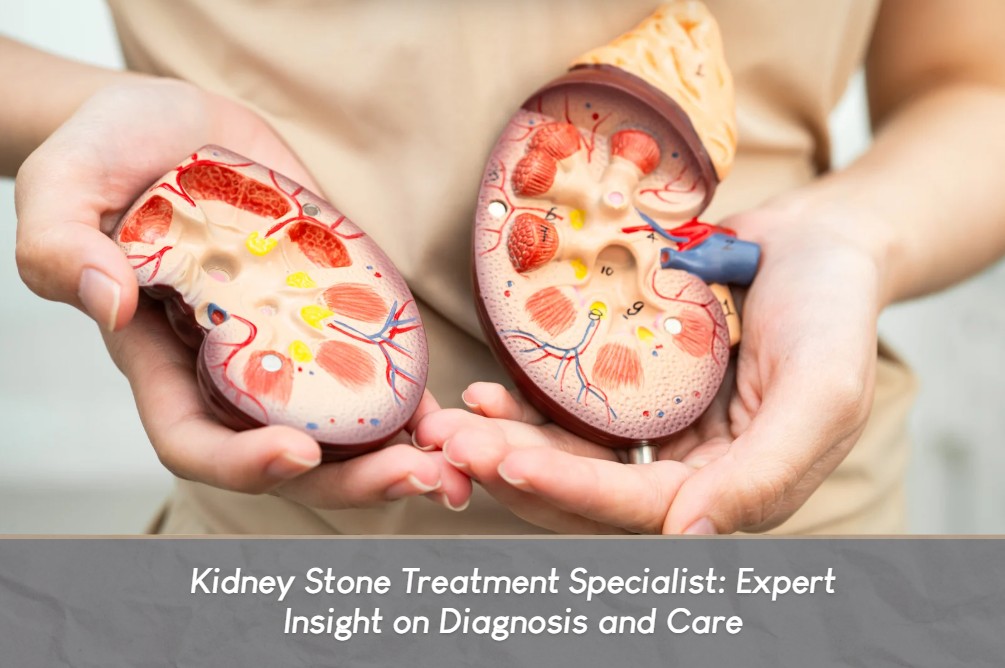
As a kidney stone treatment specialist, I have seen firsthand how kidney stones are far more than a simple urinary condition. They can significantly disrupt a person’s quality of life, causing severe pain, repeated urinary symptoms, emergency consultations, and constant concern about recurrence. Everyday activities—working, traveling, or even sleeping—often become difficult when kidney stones are present and not properly managed.
Moreover, kidney stones are not a uniform condition. Their size, location, chemical composition, and underlying metabolic causes vary greatly from one patient to another. For this reason, effective care must go beyond temporary pain control and focus on accurate diagnosis, targeted treatment, and long-term prevention.
Bienvenidos a mi blog Infección de las vías urinarias: Guía médica para hombres con síntomas
Bienvenidos a mi blog Vasectomy in Colombia: A Safe, Affordable Option for International Patients If
Bienvenidos a mi blog Me salió el PSA alto ¿Qué significa y qué debo hacer
Although kidney stones are common, they should never be treated casually. Inadequate or delayed management can result in serious complications, including urinary tract obstruction, recurrent infections, kidney function deterioration, and repeated stone formation.
This is why specialized urological care is essential. A trained urologist does not simply treat symptoms; instead, they evaluate the full clinical picture. Choosing a kidney stone treatment specialist ensures that decisions are based on scientific evidence, modern technology, and individualized patient assessment, rather than generalized treatment approaches.
From a medical perspective, kidney stones are solid deposits that form inside the kidneys when certain minerals and salts in the urine become highly concentrated. Over time, these substances crystallize and grow, eventually forming stones that may remain in the kidney or move into the urinary tract.
The most common types of kidney stones I diagnose and treat include:
These are the most frequent and are often related to calcium oxalate or calcium phosphate. Factors such as dehydration, dietary habits, and metabolic conditions can contribute to their formation.
These develop when urine becomes persistently acidic. They are often associated with metabolic disorders, high-protein diets, or conditions such as gout.
Typically linked to chronic urinary tract infections, these stones can grow rapidly and become quite large if not addressed promptly.
These are rare and result from a genetic condition that causes excess cystine to be excreted in the urine.
Understanding the type of stone is a critical step, as each one requires a different therapeutic and preventive approach, something that must be carefully evaluated by a kidney stone treatment specialist.
Kidney stones may remain asymptomatic for some time, especially when they are small. However, when symptoms appear, they often include:
When pain is severe, recurrent, or associated with infection or urinary obstruction, it is essential to consult a kidney stone treatment specialist promptly. Early intervention can prevent complications and reduce unnecessary suffering.
Accurate diagnosis is the foundation of effective kidney stone management. In my practice, I rely on a structured diagnostic process that may include:
Advanced imaging, such as CT scans or ultrasound, allows precise identification of stone size, location, and number.
Blood and urine tests help evaluate kidney function, detect infection, and identify metabolic abnormalities.
For patients with recurrent stones, a detailed metabolic evaluation is essential to uncover underlying causes and guide preventive strategies.
Without this comprehensive assessment, treatment decisions may be incomplete or ineffective.
Today, kidney stone treatment has advanced significantly, allowing for safer and more effective options tailored to each patient.
Small stones may pass spontaneously with adequate hydration, pain control, and specific medications that facilitate stone passage or reduce stone formation.
When intervention is required, minimally invasive techniques are often the preferred choice. These include procedures such as ureteroscopy with laser lithotripsy, which allows stones to be fragmented and removed with minimal discomfort and recovery time.
In selected cases—such as large, complex, or recurrent stones—more advanced surgical approaches may be required. These decisions are always based on clinical evidence and individual patient factors.
There is no universal solution for kidney stones. Each patient presents a unique clinical scenario that requires careful evaluation and individualized decision-making. As a kidney stone treatment specialist, my focus is on selecting the most appropriate treatment strategy based on stone characteristics, patient health, and long-term risk factors.
This personalized approach not only improves immediate outcomes but also plays a vital role in preventing future stone formation—ensuring safer, more durable results for my patients.
You might be interested in: Kidney stones treatment

Many patients believe that the role of a kidney stone treatment specialist is limited to removing stones once they appear. Stone extraction is only one part of a much broader and more complex medical responsibility. My work as a urologist involves understanding the complete clinical picture of each patient, not just the stone itself.
Effective kidney stone management requires evaluating kidney function, urinary anatomy, metabolic factors, and lifestyle contributors. Treating only the immediate stone without addressing these elements often leads to recurrence and unnecessary complications.
One of the most important aspects of my role as a kidney stone treatment specialist is prevention. Patients who form one kidney stone have a significant risk of developing another if underlying causes are not identified and managed properly.
Prevention-focused care includes:
By focusing on prevention, I aim to significantly reduce the likelihood of future stone episodes and long-term kidney damage.
Kidney stone disease is often a chronic condition rather than an isolated event. For this reason, long-term follow-up plays a critical role in maintaining kidney health. Monitoring allows adjustments in treatment strategies based on changes in laboratory results, imaging findings, or patient symptoms.
Lifestyle guidance is equally important. Proper hydration, dietary modifications, and adherence to medical therapy are essential components of effective stone prevention. As a kidney stone treatment specialist, I provide clear, evidence-based recommendations tailored to each patient’s specific risk profile.
Complex or recurrent kidney stone cases require a high level of urological expertise. Factors such as multiple stones, anatomical variations, infection-related stones, or previous unsuccessful treatments demand careful planning and advanced technical knowledge.
In these situations, the role of a kidney stone treatment specialist becomes especially critical. Specialized training and experience allow for precise treatment selection, effective complication management, and long-term strategies aimed at preventing recurrence—ensuring comprehensive, reliable care for even the most challenging cases.
You might be interested in: From Symptoms to Solutions: Kidney Stones Treatment Options in Medellín, Colombia
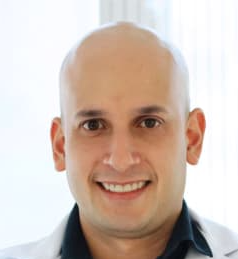
As a urologist, my clinical practice is strongly focused on diagnosis, treatment, and prevention of kidney stone disease. I approach each case using evidence-based medicine and up-to-date treatment techniques, ensuring that every medical decision is supported by current scientific knowledge and adapted to the individual needs of each patient. Clear communication, precise diagnostic evaluation, and personalized treatment planning are central to my patient-centered approach, allowing patients to fully understand their condition and the rationale behind each therapeutic option.
I have experience managing both straightforward and complex kidney stone cases, including recurrent stones and situations that require advanced decision-making. Practicing in Medellín allows me to offer care supported by high professional standards and modern medical infrastructure, making the city a reliable destination for high-quality urological treatment. For patients seeking a dependable kidney stone treatment specialist, I provide comprehensive care focused on safety, effectiveness, and long-term kidney health.
You should consult a kidney stone treatment specialist when you experience intense or persistent flank pain, blood in the urine, recurrent urinary tract infections, or difficulty urinating. Additionally, patients with a history of kidney stones, recurrent episodes, or stones that do not pass on their own benefit significantly from specialized evaluation to prevent complications and recurrence.
No, kidney stones are not always treated surgically. Many small stones can be managed with conservative treatment, including adequate hydration, pain control, and specific medications that facilitate stone passage. A kidney stone treatment specialist determines the most appropriate approach based on stone size, location, symptoms, and overall patient health, reserving surgical intervention only when necessary.
Treatment decisions are based on a comprehensive evaluation that includes imaging studies, laboratory tests, stone composition, and patient-specific factors. As a kidney stone treatment specialist, I analyze all these variables to select a treatment plan that is both effective and safe, rather than relying on a standardized approach.
Yes, kidney stones can recur if the underlying causes are not addressed. This is why long-term management is essential. A kidney stone treatment specialist focuses on identifying metabolic or lifestyle factors that contribute to stone formation and implements preventive strategies to significantly reduce the risk of future episodes.
Prevention is a fundamental part of kidney stone care. Beyond removing or treating existing stones, I emphasize hydration strategies, dietary modifications, and medical therapy when appropriate. Prevention-focused care helps protect kidney function and minimizes the likelihood of repeated stone formation.
Recovery time depends on the type of treatment used. Conservative management requires no recovery period, while minimally invasive procedures typically allow patients to return to normal activities within a short time. A kidney stone treatment specialist provides clear post-treatment guidance to ensure safe and efficient recovery.
Yes, modern minimally invasive treatments are both safe and highly effective when performed by an experienced specialist. These techniques reduce pain, shorten recovery time, and lower the risk of complications. Proper patient selection and expert execution are key to achieving optimal results.
Recurrent stones often indicate an underlying metabolic or anatomical issue that requires detailed evaluation. Treating only the stone without addressing these factors increases the likelihood of recurrence. Specialized expertise is essential to identify and manage these complexities effectively.
Diet plays a significant role in kidney stone development. Certain dietary patterns can increase stone risk, while others help prevent it. As a kidney stone treatment specialist, I provide personalized dietary guidance based on stone type and individual metabolic findings, rather than generic recommendations.
Choosing a kidney stone treatment specialist ensures comprehensive care that goes beyond immediate symptom relief. Specialized expertise allows for accurate diagnosis, effective treatment, and long-term prevention, ultimately protecting kidney function and improving overall quality of life.
 Escríbeme
Urólogo
¿Tienes dudas o preguntas?
¡Escríbeme ahora!
